
A building, and what it makes possible.
For women living in rural communities, access to suitable maternity care can make a profound difference during pregnancy and childbirth.
The health centre was built more than half a century ago and had been damaged by both war and earthquake. The area floods; recently it was cut off entirely for two months. The nearest alternative health centre is around 50 kilometres away, and often unreachable by road in bad weather.
Rebuilding the maternity facilities at Kyebe is therefore about much more than a building. It is about a safer place for mothers and newborns, better conditions for the health workers, and a stronger facility for the whole surrounding community.
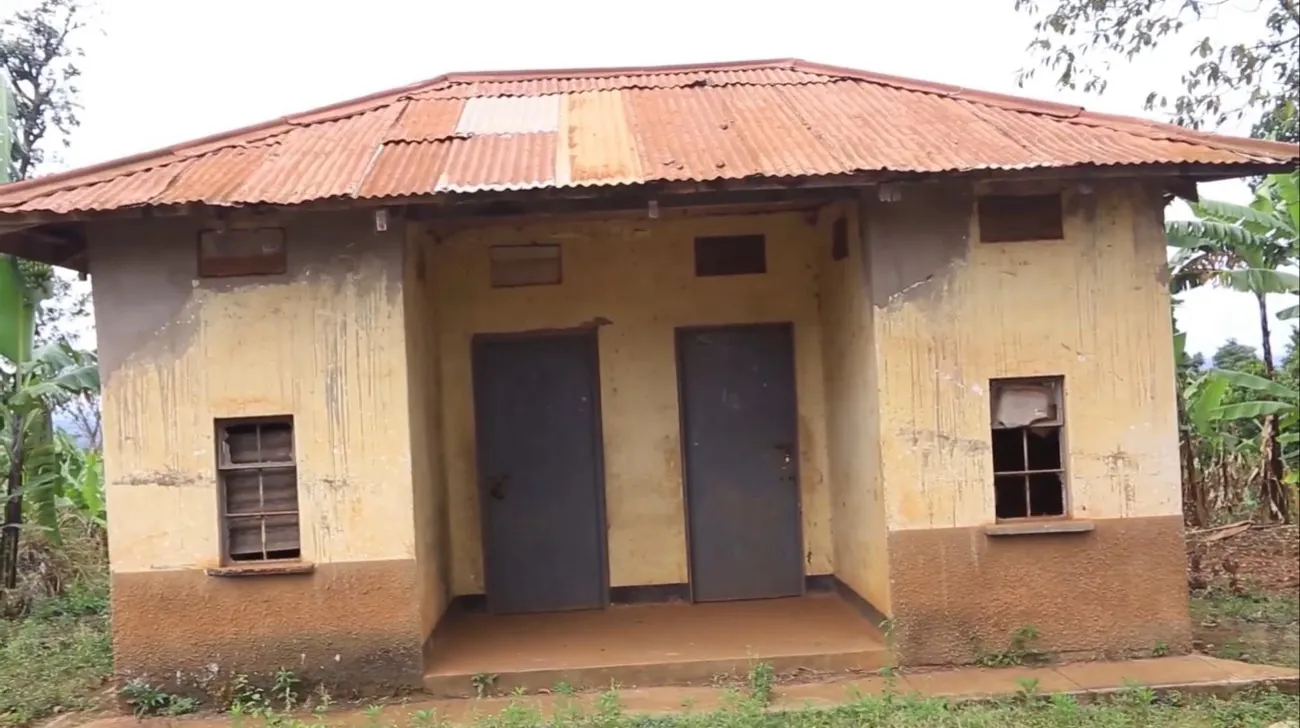
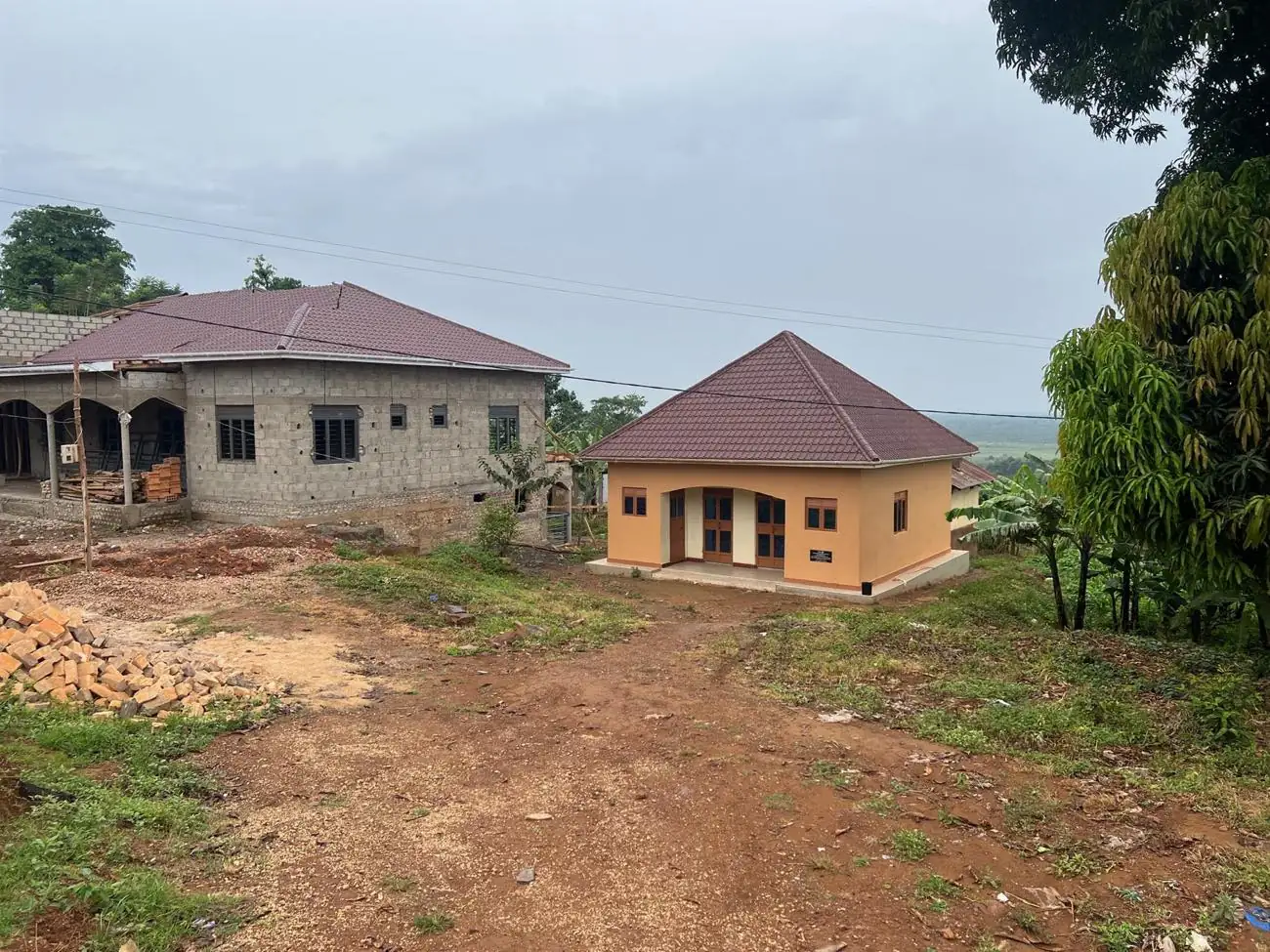
Four parts. Two still open.
Peter Lusembo has played a leading role in spearheading and coordinating support for the rebuilding, working alongside community stakeholders and Rotary partners in Uganda and internationally.
Accommodation for midwives
Midwives walk long distances to reach Kyebe and often stay for months at a time. Somewhere to live is what makes it possible for them to be there at all.
The maternity clinic
As of July 2025 the exterior is finished. The windows, doors, roofing and ceiling remain.
Solar power, water and sanitation
A water-harvesting system, light after dark and working sanitation. A rural clinic needs all three before it can care for anyone safely.
Equipment and medicine
Re-equipping the labour unit with modern medical equipment and essential medicines, so the building can do the work it was rebuilt for.
The rebuilding is documented in detail by the Rotary partners at kyebeuganda.org.au ↗.
Who is behind it.
The project brings together local stakeholders in Kyebe and Rotary clubs in Uganda, Denmark and Australia. Konge Lukuli is the host club in Uganda and is responsible, with contractors and the local leadership, for the building itself.